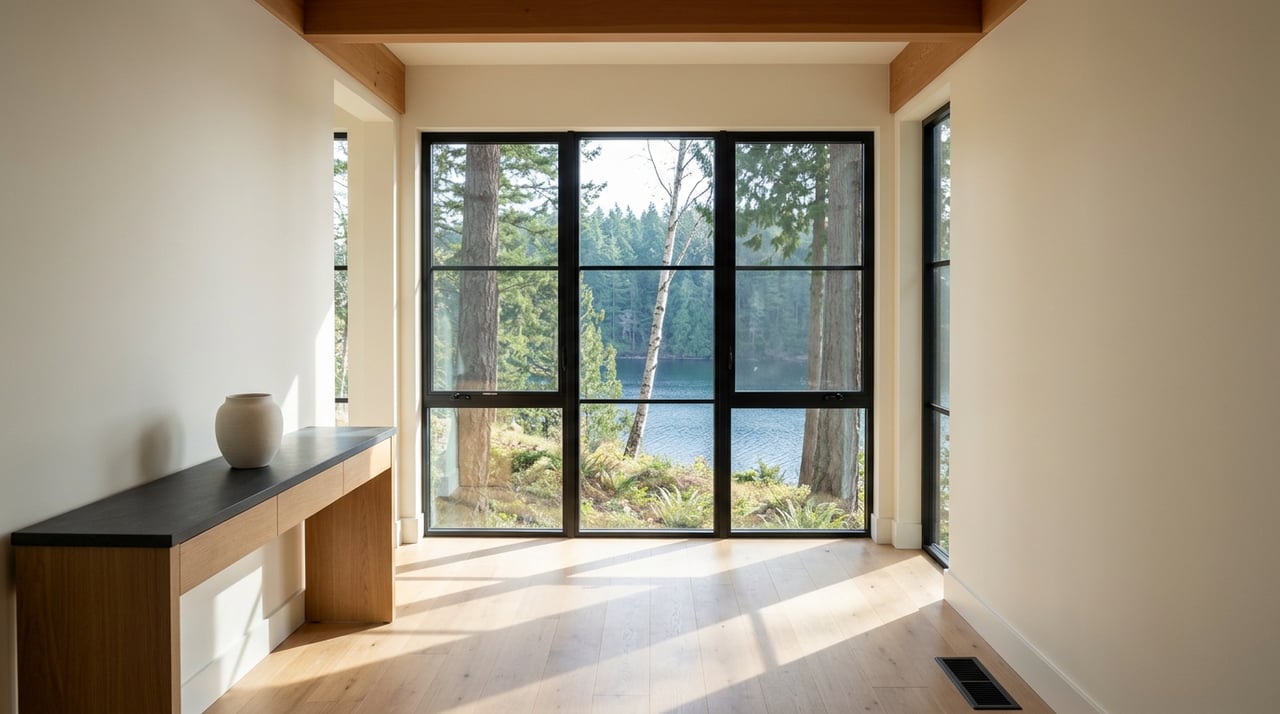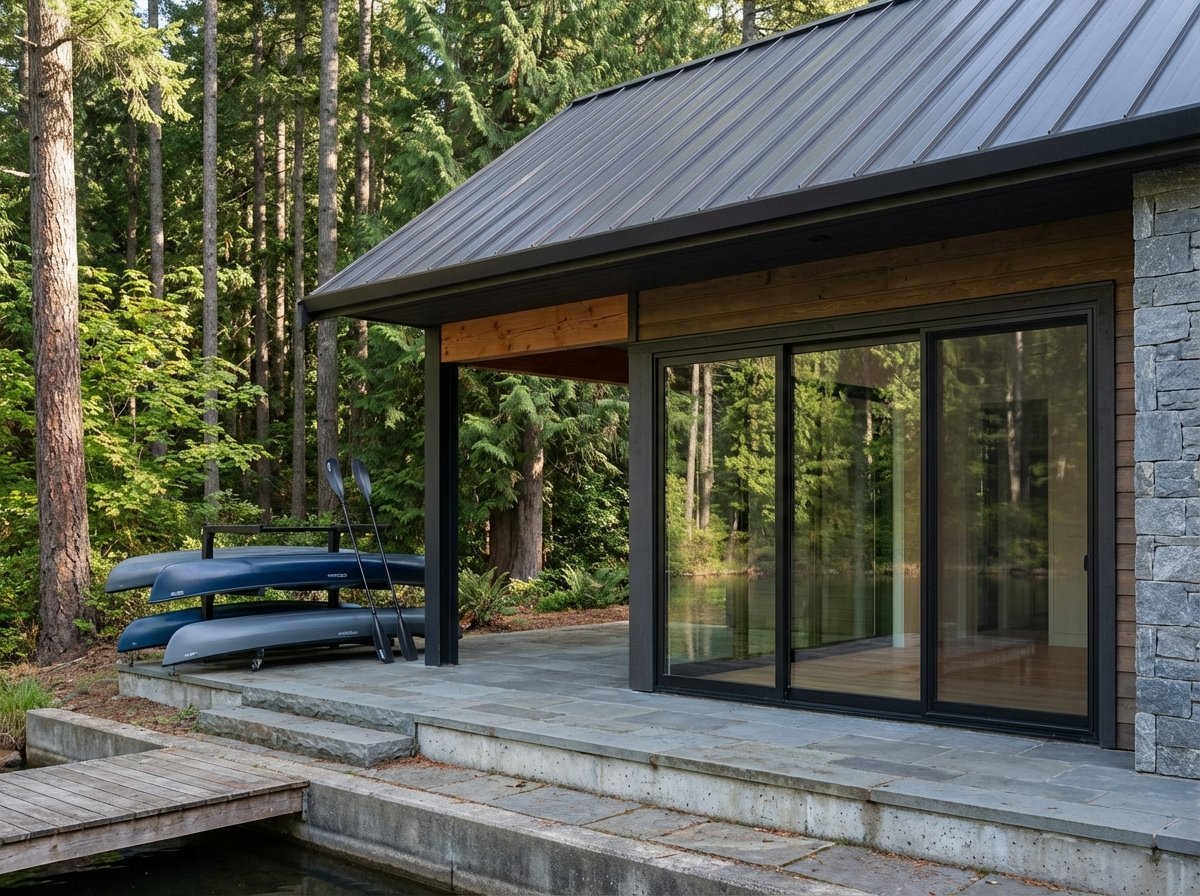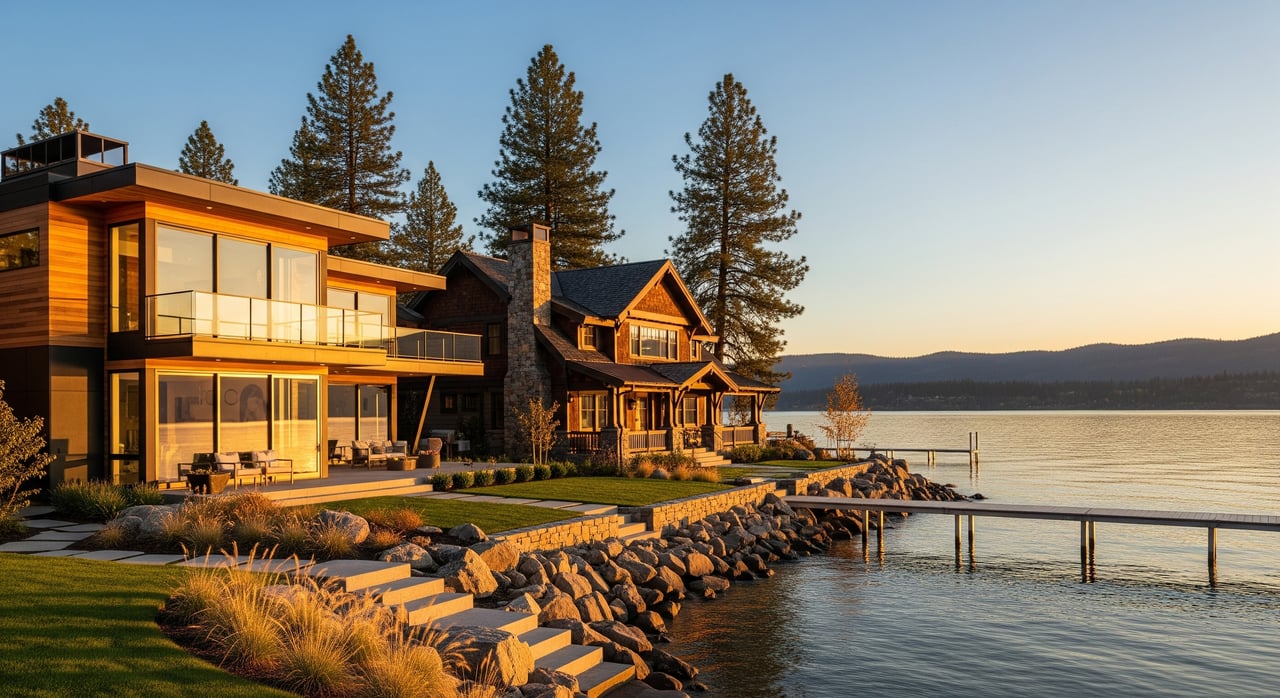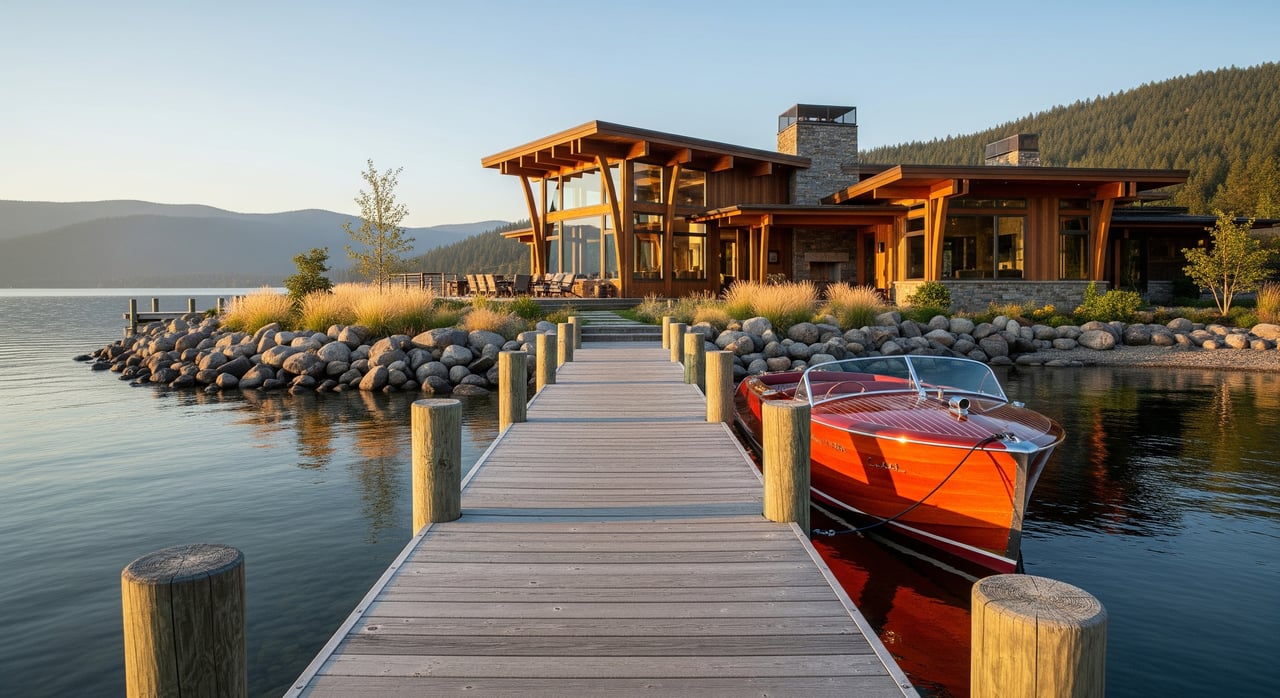
If you picture mornings that start on a quiet dock, afternoons on the boat, and evenings around a lakeside table, you’re not far off. Lake life in Coeur d’Alene really can look like that. But there are rhythms, rules, and responsibilities that make it work in real life. In this guide, you’ll see what day-to-day living looks like in each season, plus practical tips on docks, moorage, maintenance, and safety. Let’s dive in.
Lake setting and home types
Living near Lake Coeur d’Alene blends resort-style recreation with the convenience of nearby city services. Your daily routine often depends on your property type and how you access the water.
- True waterfront: Private shoreline and direct access. Some homes have a private dock, subject to permits and local rules.
- Homes with a marina slip: Deeded or leased slips provide boat access without direct shoreline. Some marinas have waitlists and seasonal schedules.
- Near-water homes: A short walk or quick drive to public access or marinas, often with elevated views.
- Lakeview or townhomes with shared amenities: Community docks or common areas reduce individual maintenance.
Each option trades off privacy, cost, and upkeep. Second-home owners often prioritize simplicity and reliable boat access. Full-time residents typically balance commute routes and proximity to services.
Seasons on Lake Coeur d’Alene
Spring routines
Spring is a reset. You uncover boats, prep docks, and tidy the property after winter. Weekdays on the water are calm, and trails and parks start to fill as temperatures rise. Expect to coordinate dock commissioning, septic checks, and landscape cleanup. If you rely on contractors, plan ahead, since seasonal crews book up quickly.
Summer peak days
Summer is the headline season. Long daylight hours, active social calendars, and daily time on the water shape your routine. You might launch early to avoid crowds, return for a late lunch on the patio, then do an evening cruise. Paddleboards and kayaks are out in the mornings, while afternoons bring more boat traffic. Weekends and holidays are busiest, so plan for heavier road traffic, fuller marinas, and limited parking near public access points.
With more use comes more upkeep. You will manage lawn and irrigation, stay on top of trash and recycling, and keep an eye on dock hardware and pest control. Respect for no-wake zones and community noise expectations becomes essential when neighbors and visitors are out in force.
Fall slowdown
Fall brings space to breathe. The water stays inviting in early fall, and hiking and fishing are popular. Many owners use the milder weather to knock out projects. As leaves turn, you will winterize irrigation systems, clean gutters, and start decommissioning boats and docks for storage. Storms and runoff can raise erosion concerns, so it is a good time to check shoreline structures.
Winter quiet and care
Winter is peaceful. Some owners leave boats stored, and many second-home properties sit vacant. The main body of the lake often does not have consistent, safe ice for recreation. Instead, locals turn to nearby winter sports. At home, snow removal, maintaining heat, and monitoring for ice dams and frozen pipes are key. Absentee owners often arrange winter watch services to check for leaks and storm impacts.
Daily logistics and access
Living well on the lake is about planning your access.
- Moorage: Private docks, shared docks, or marina slips each have rules. Slips can be leased or owned. Some marinas operate at capacity and keep waitlists.
- Permits and setbacks: Dock installation and modifications typically require approval and must follow setback and shoreline rules. Covenants or HOA guidelines may also apply.
- Public access: Boat launches and parks are helpful, but summer weekends get crowded. If you trailer a boat, proximity to a launch and on-site parking can shape your routine.
- Parking: Narrow waterfront roads and limited on-street parking are common. Check neighborhood easements and local parking rules.
Ownership costs and maintenance
Waterfront living delivers easy access and great outdoor space. It also adds line items to your calendar and budget.
Docking and moorage
- Private docks need ongoing care and may require permits for changes.
- Marina fees vary, and slip availability depends on demand and management policies.
- Floating vs fixed docks have different maintenance and cost profiles.
Utilities, septic, and wells
- Many lake-area homes rely on septic systems and private wells.
- Expect routine septic pumping and water testing. Older systems or lots near shore may have upgrade requirements.
Insurance and hazards
- Waterfront homes can have higher insurance costs. Check flood zone status against current maps during purchase.
- Evaluate wildfire risk and defensible space in wooded areas.
Seasonal services
- Landscapers, marina crews, painters, and dock specialists book up in spring and summer.
- Absentee owners often budget for caretakers, winter checks, and snow removal.
Noise, privacy, and norms
- Summer weekends bring more visitors, boat traffic, and activity near restaurants and parks.
- Community rules may address wakes, quiet hours, and guest moorage.
Beyond the purchase price
- Plan for dock work, slip fees, higher insurance, septic and well service, landscaping, and property management if you are away seasonally.
Rules, safety, and the environment
Understanding the rules helps you enjoy the water and protect the shoreline.
Boating safety and no-wake zones
- Idaho laws set life jacket requirements, operator age for personal watercraft, and speed or no-wake zones near shore, marinas, and swim areas.
- Keep required safety gear on board and watch for posted restrictions.
Aquatic invasive species
- Follow Clean, Drain, Dry practices for boats and gear. Expect inspections or decontamination requirements at times, especially for boats coming from other waters.
Water quality and algal blooms
- Water quality changes with temperature and runoff. Harmful algal blooms can occur seasonally. Check local advisories before you swim or let pets in the water.
Shoreline protections
- Work like seawalls, dredging, or boathouse construction typically needs review and permits to protect habitat and water quality.
- Managing runoff and minimizing fertilizer near shore reduces nutrient loading.
Emergency services
- Waterfront incidents may require marine patrol or rescue. Response times vary by shoreline location and season. Know your address markers, nearest launch, and emergency contacts.
Planning your purchase
If you are considering a lake home, collect the right documents and verify the details.
- Dock and moorage: Permits, approvals, and any HOA or marina agreements.
- Utilities: Recent septic inspection, well water tests, and utility histories.
- Shoreline work: Records and permits for seawalls, erosion control, or docks.
- Insurance: Claims history and current policy costs, plus flood zone verification.
- Property management: Any caretaker or maintenance arrangements if the seller is absentee.
Is lake life right for you?
Lake Coeur d’Alene shines from late spring through summer, with quieter shoulder seasons and a calm winter. If you love the water and outdoor time, you will find the lifestyle rewarding. Just balance the fun with the realities: scheduling moorage, planning maintenance, and respecting seasonal crowds and shoreline rules.
If you want a local, boutique advisor to help you weigh property types, permits, and ownership details, connect with Kate & Chris Neu for a thoughtful conversation about your goals.
FAQs
How busy is Lake Coeur d’Alene on summer weekends?
- Summer weekends and holidays are the busiest, with heavier boat traffic, fuller marinas, and limited parking near public access, while weekdays are generally calmer.
Do waterfront homes always include a private dock?
- No. Docks are subject to permits, setbacks, and community rules, and not every waterfront home has one; some rely on shared docks or marina slips.
What seasonal maintenance should I expect as an owner?
- Spring commissioning and yard prep, summer dock and patio upkeep, fall winterization of systems and boats, and winter snow removal and freeze protection.
Are there restrictions on docks or boathouses on Lake Coeur d’Alene?
- Yes. Shoreline structures typically require approvals and must follow environmental and setback rules; HOA guidelines may apply in some communities.
Do I need special insurance for a lakefront home in Coeur d’Alene?
- Waterfront properties can carry higher costs and may need flood coverage depending on elevation and current flood maps; review with your insurer during due diligence.
What winter risks do second-home owners face near the lake?
- Risks include frozen pipes, ice dams, and storm damage; many owners use winter watch services and maintain heat to protect vacant homes.
How connected is lakefront living to downtown services?
- You live close to city amenities, but summer traffic and parking near public access can affect timing; plan errands and launches accordingly.
Should I worry about algal blooms for swimming or pets?
- Harmful algal blooms can occur under certain conditions; check current advisories before swimming and use caution with pets during active alerts.