Picture your mornings on Lake Coeur d’Alene. Do you see yourself stepping straight from your back deck onto a dock, walking a short path to a shared beach, or sipping coffee while the water shimmers below your hillside patio? However you imagine lake life, the right property type makes all the difference. In this guide, you’ll learn the key differences between true waterfront, water-access, and lake-view homes in Coeur d’Alene, what they mean for lifestyle and value, and how to handle permits, inspections, and costs with confidence. Let’s dive in.
Waterfront vs water-access vs view
Not all “lake homes” offer the same rights or experience. Clear terms help you compare apples to apples.
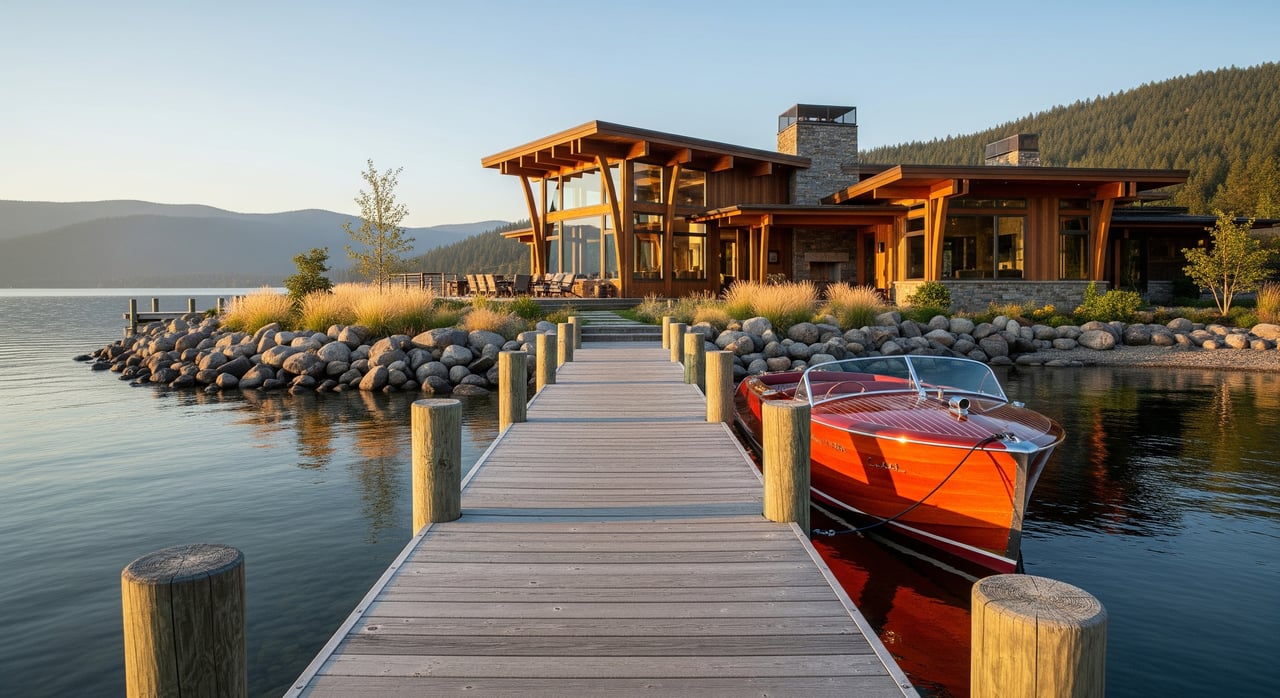
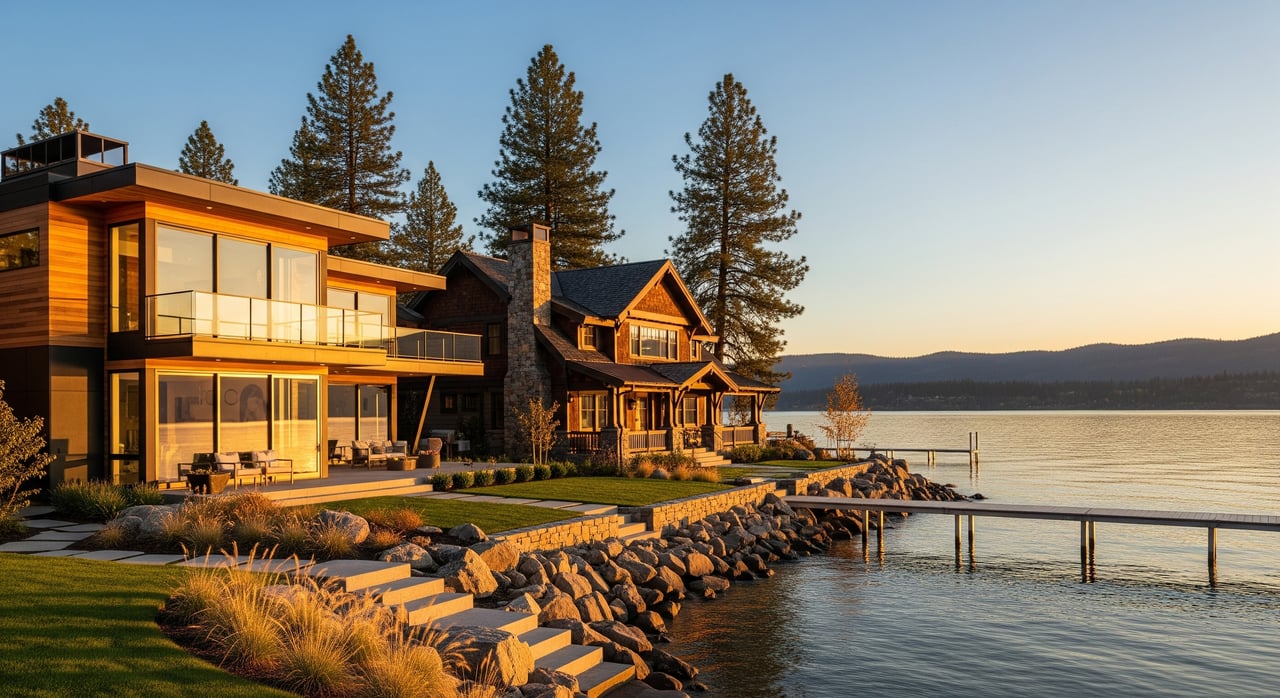
True waterfront: Your lot touches the shoreline and offers direct access to the lake. On Coeur d’Alene, many docks or in-water structures require Idaho Department of Lands authorization. Listing the home as “waterfront” does not guarantee dock rights or transferability, so you need to verify permits and status early. Learn more about dock authorizations and transfer checks in this local buyer overview from Corcoran & Hall.
Water-access: Your property does not touch the lake, but you have recorded rights to use a community beach, park, dock, ramp, or moorage area through easements or HOA documents. Rights and rules vary by community, so you must confirm what is recorded and how slips or day-use are allocated. For a plain-language comparison, see this local summary of lakefront vs secondary-waterfront.
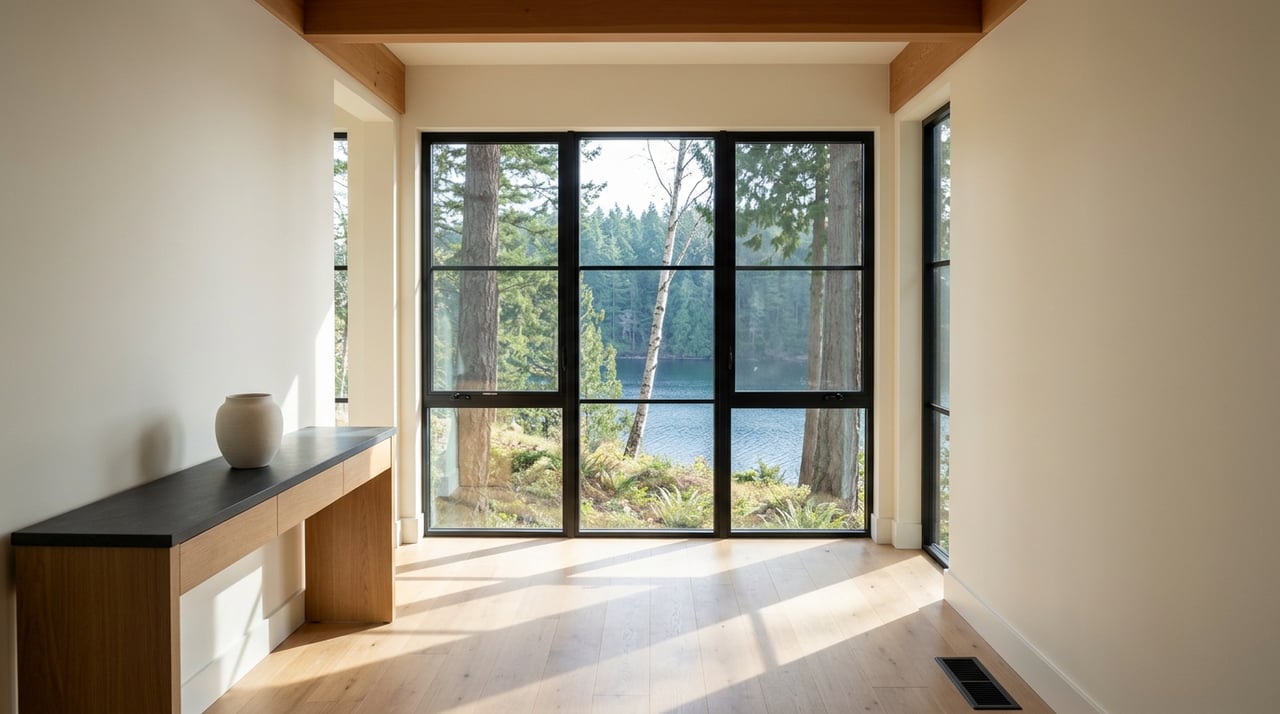
Lake-view: You have a visual connection to the water but no guaranteed physical access. Views can change over time with vegetation growth or nearby development, and view-only homes typically carry the lowest price premium among the three.
Bottom line: The label on a listing is not enough. Always confirm recorded access rights and any dock or shoreline permits.
Lifestyle trade-offs you will notice
True waterfront
- Pros: Immediate private access, best convenience for daily boating and swimming, uninterrupted views, and privacy when sited well.
- Cons: Higher purchase price, ongoing dock upkeep, potential state leases for lakebed use, and stricter reviews if you want to modify structures.
Water-access
- Pros: A more affordable path to lake living, shared amenities like beaches or docks, and fewer shoreline maintenance headaches.
- Cons: Shared use and peak-season congestion, HOA assessments and rules, and nonexclusive or limited moorage in some communities.
Lake-view
- Pros: Lower acquisition cost, fewer regulatory hurdles, and the freedom to prioritize home design and view orientation.
- Cons: No guaranteed access to the water, and views are subject to change.
Micro-location inside the lake matters. Sheltered coves like Wolf Lodge Bay or Beauty Bay can feel calmer for swimming and small craft, while main-lake frontage offers deeper mooring and long runs for boating but can mean more wakes and traffic. Community sensitivity around boating impacts and habitat shows up in public discussions, such as the Wolf Lodge Bay development hearings.
Permits and rules to expect
Buying or improving a lake property involves agencies and timelines. A quick roadmap helps you plan.
Idaho Department of Lands (IDL): IDL manages authorizations for structures that occupy state-owned lakebeds on navigable waters. Ask sellers for permit or lease numbers and verify status with IDL’s Northern Region before you waive contingencies. A local overview of IDL processes and timelines is available here.
U.S. Army Corps of Engineers (USACE): In-water work, pilings, fill, or dredging may require federal authorization. Many small residential docks qualify under nationwide permits if conditions are met. Larger or more complex projects trigger longer reviews. Read the USACE permitting basics on the agency site.
City vs County: Inside Coeur d’Alene city limits, follow the City’s planning and building rules. Outside city limits, Kootenai County governs shoreline setbacks, floodplain development permits, and site disturbance. Portions of shorefront parcels may lie in mapped Special Flood Hazard Areas. Kootenai County’s floodplain code adopts FEMA elevations and lists Lake Coeur d’Alene’s base flood elevation at 2139.3 feet NAVD88. See county floodplain requirements in the code library.
Timelines vary. Simple dock authorizations can move in weeks to a couple of months. Complex leases or projects that need federal or environmental review can take several months or longer. Build in time for agency coordination and potential public notice windows.
Cost and value signals
Local pricing tends to follow a simple hierarchy: waterfront usually trades at the highest premium, followed by water-access, then view-only. The premium is not one number. It depends on frontage length, permitted moorage or dock, shoreline type and usability, privacy, and the character of the cove or bay. A concise explanation of this tiered pattern is in this regional buyer guide.
Water quality influences value as well. Academic research shows that better water clarity and lower contamination are associated with higher property values near lakes. While each parcel is unique, this helps explain why buyers pay close attention to lake health in Coeur d’Alene and the basin. Review a summary of these findings in this peer-reviewed overview.
Maintenance and carrying costs
Plan for ongoing ownership items that often come with lake properties:
Docks and moorage: Routine maintenance like float replacement, hardware, and lift service. If the lakebed is state-owned where your dock sits, you may also see IDL lease or rent obligations. Older or unpermitted docks may need updates. See key verification steps in this dock-permitting overview.
Shoreline stabilization: Riprap and seawalls are regulated. Some solutions require review if they affect lakebeds or wetlands, and naturalized shorelines are often preferred by regulators.
Flood insurance: Lenders may require it if any structure lies in a mapped flood zone. Check FEMA maps early and confirm elevations with a surveyor if needed. County floodplain rules are summarized here.
Septic and wells: Many lake-area homes rely on private septic and domestic wells. Budget for inspections, pumping records, water testing, and well logs. For well ownership basics and testing, start with this Idaho guide.
Environmental advisories: Historical mining releases in the basin left metals in some sediments. Agencies maintain fish-consumption advisories and ongoing remediation. You can explore the basin context in this National Academies chapter.
Your due-diligence checklist
Use this quick checklist when you write an offer on a waterfront, water-access, or lake-view property near Coeur d’Alene:
Confirm dock and shoreline authorizations. Request copies of IDL approvals, any leases or licenses, and local permits for docks or lifts. Verify numbers and transfer rules with agencies. A local primer on what to ask for is here.
Order a boundary and shoreline survey. Make sure the ordinary high-water mark and dock footprint are shown, and confirm any recorded littoral rights or easements with title.
Verify water-access claims. Ask for recorded easements, HOA budgets, maintenance rules, and how slips or day-use are assigned.
Line up specialty inspections. Hire a dock or marine contractor for structural checks, a septic inspection with recent pumping records, and a well water test with a current well log.
Check flood maps early. If a lender might require flood insurance, request an elevation certificate and factor premiums into your budget. See county floodplain guidance in the code.
Review environmental disclosures. If the parcel sits within the Coeur d’Alene Basin footprint, look for property-specific disclosures and current advisories on the basin outreach site.
Protect yourself with clear contingencies. Include language that lets you confirm dock and shoreline authorizations, verify transferability of any required leases, and exit or receive credits if documents are missing.
Negotiation outcomes to anticipate
Dock documentation gaps often lead to seller credits or a requirement to cure permits before closing. Build time into your offer for agency checks.
Water-access homes may come with lower prices than true waterfront but have recurring HOA assessments. Weigh total carrying cost, not just the list price.
Environmental advisories alone rarely make a property unusable, but they can affect marketability for some buyers. Ask for current guidance and disclosures, then decide what aligns with your comfort level.
Which option fits you?
Choose true waterfront if you plan to boat, swim, or entertain on the water most days and want maximum convenience. Budget for dock care and potential permits.
Choose water-access if you want the lake lifestyle at a lower entry price and are comfortable with shared amenities and HOA rules.
Choose lake-view if your priority is a panoramic outlook, privacy, and a simpler maintenance profile, and you do not need guaranteed water access.
If you are debating between two great options, compare micro-locations in the same bay, confirm any moorage or access rights in writing, and request recent comparable sales from that immediate area.
Ready to compare homes?
You deserve clear answers on permits, access rights, and value in each cove and neighborhood. If you want a calm, boutique process backed by deep North Idaho expertise, reach out to Kate & Chris Neu for a private consultation. We will map your lifestyle goals to the right property type, line up due diligence, and negotiate with confidence.
FAQs
What is the difference between waterfront, water-access, and lake-view in Coeur d’Alene?
- Waterfront touches the shoreline with direct access, water-access has recorded rights to shared amenities, and lake-view offers visuals only with no guaranteed access.
Do existing docks transfer when I buy a waterfront home on Lake Coeur d’Alene?
- Not automatically. You should verify Idaho Department of Lands authorizations and any leases, then confirm transfer rules and status before closing.
How long do dock permits or approvals usually take in Kootenai County?
- Simple residential authorizations can move in weeks to a couple of months, while complex or federally reviewed projects can take several months or longer.
Do I need flood insurance for a Coeur d’Alene lake home?
- If structures sit in a mapped flood zone, lenders may require it. Kootenai County adopts FEMA elevations, so check maps early and get an elevation certificate if needed.
Are there environmental advisories for Lake Coeur d’Alene and the basin?
- Agencies maintain fish-consumption advisories and remediation programs due to legacy mining impacts, so review current guidance and property disclosures before you buy.