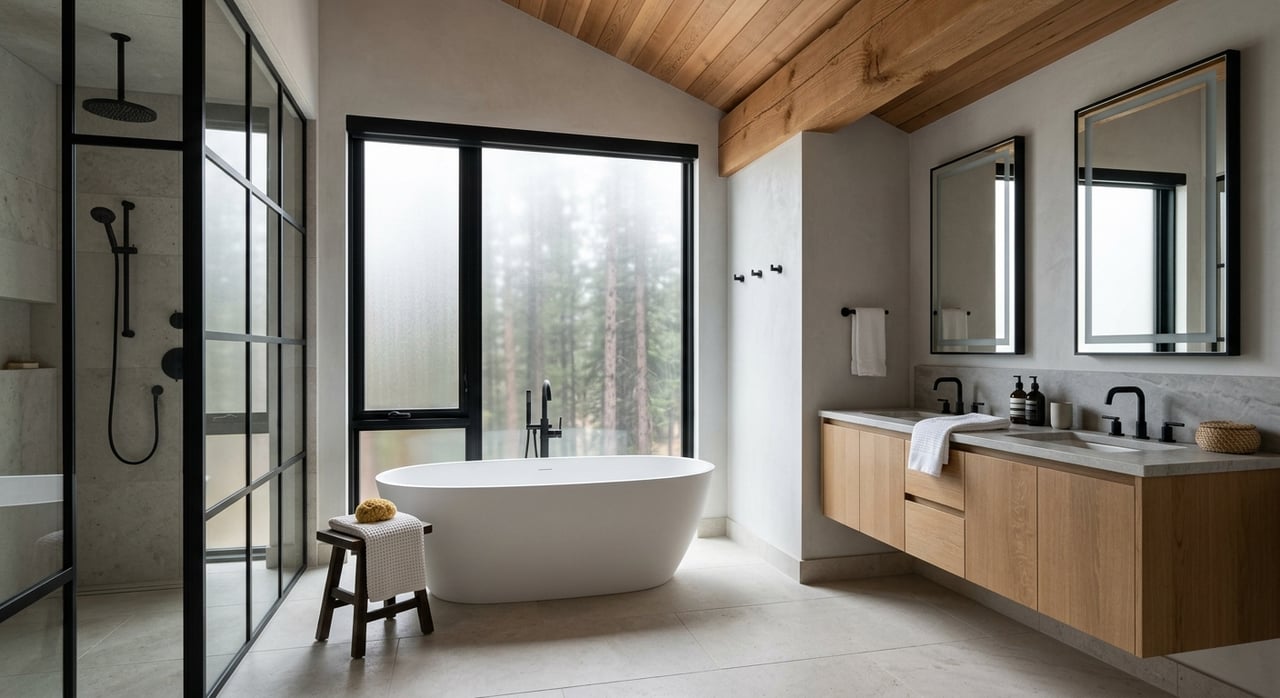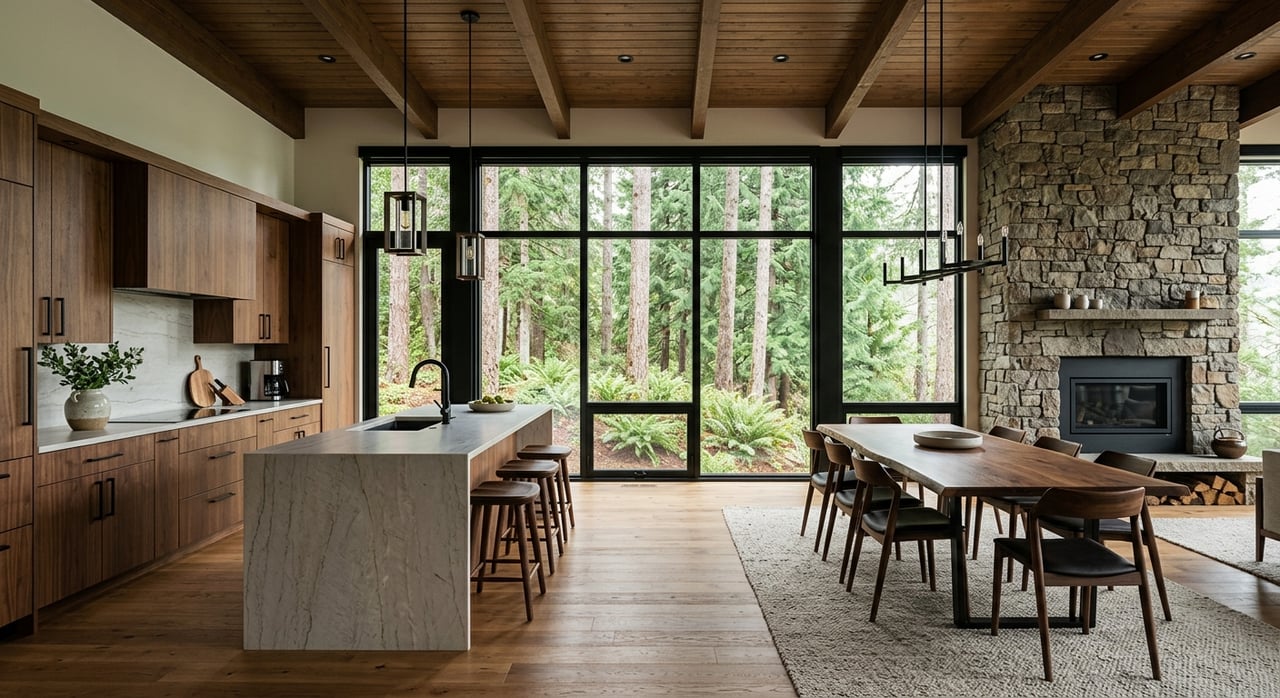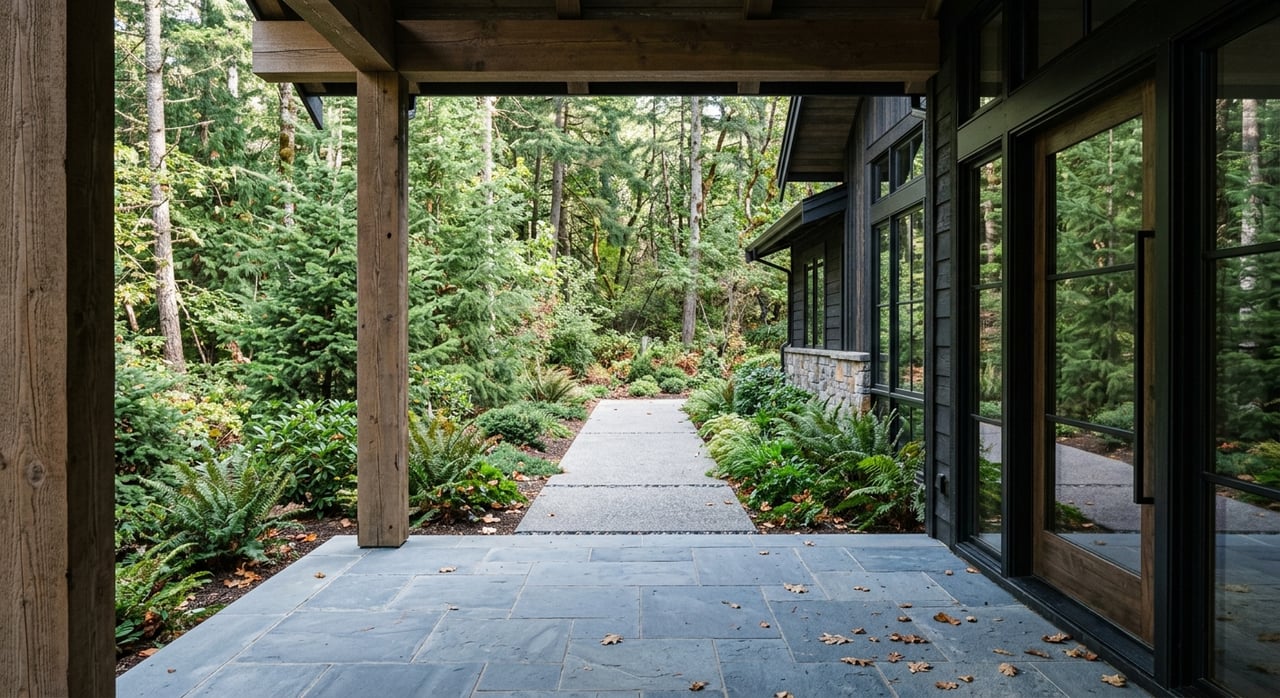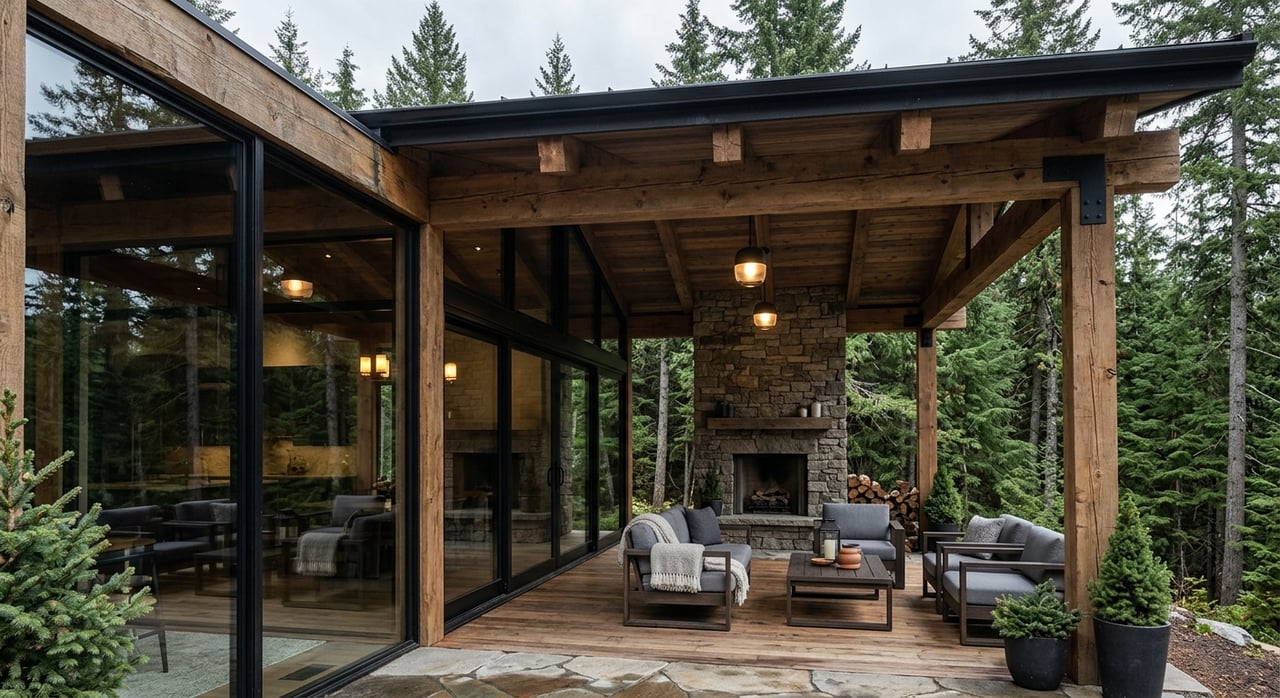
Thinking about a second home in Coeur d'Alene is exciting, but planning the move takes more than finding a house with a great view. You want a property that fits how you actually live, travel, and spend time in North Idaho. If you are relocating part-time or setting up a seasonal base, the smartest approach is to plan around use first and home type second. Let’s dive in.
Why Coeur d'Alene works for second-home living
Coeur d'Alene offers a mix of lake access, downtown convenience, and year-round recreation that makes it a natural fit for second-home buyers. The city has more than 57,000 residents and describes itself as a cultural center for Kootenai County, with a downtown set along Lake Coeur d'Alene.
That setting shapes the lifestyle. You will find walkable streets, mixed-use buildings, residential options in and near downtown, and easy access to outdoor spaces like Tubbs Hill. The city also maintains 22 miles of shared-use paths, four city-owned docks, and six beach areas.
If boating is part of your plan, the broader county matters too. Kootenai County describes itself as Idaho’s largest boating community, with about 20,000 registered boaters and more than 44,000 navigable acres. For many buyers, that means the real question is not just where to buy, but how you want to use the property.
Start with your second-home goals
Before you tour homes, define what this property needs to do for you. That decision will shape location, upkeep, travel needs, and even financing and permit questions.
For most buyers, the choice falls into three broad categories:
- Lock-and-leave convenience for easy arrivals, simple maintenance, and walkable access to downtown amenities
- Water-oriented living for boating, lake views, and direct or nearby shoreline access
- Privacy and space for acreage, a quieter setting, and a more tucked-away retreat
When you start with your use case, the search gets clearer. A condo near downtown and a rural acreage property can both be beautiful options, but they serve very different lifestyles.
Compare the main property types
Downtown homes and condos
If you want a lower-maintenance second home, downtown Coeur d'Alene and nearby infill areas may be the best fit. City zoning allows residential forms such as duplexes, apartments, condominiums, townhomes, and mixed-use residential in several districts, including the Downtown Core and nearby residential zones.
That matters because the downtown area is built for access and convenience. The city highlights its historic, walkable core, mixed-use development pattern, and taller residential buildings, which can be appealing if you want to park the car and enjoy the lakefront on foot.
McEuen Park is a good example of that lifestyle. It includes a boat launch, mooring facilities, and the Tubbs Hill trailhead, which gives part-time owners easy access to both the lake and outdoor recreation.
Waterfront homes
If your vision includes a dock, shoreline improvements, or direct water access, be ready for more regulation. Kootenai County appraises nearly 6,000 waterfront properties across eight lakes and rivers, and shoreline property comes with extra review considerations.
The county’s Shoreline Management Area extends 25 feet landward from the ordinary high water mark of recognized lakes and rivers. Work in that area, including items like stairways, walkways, trams, landscaping changes, or shoreline stabilization, may require county review before, during, and after construction.
For second-home buyers, this is a key planning point. A waterfront home may offer the lifestyle you want, but future projects and maintenance are not always as simple as they might be on a standard in-town lot.
Rural acreage properties
If you want privacy, elbow room, or a more secluded retreat, Kootenai County’s rural areas may be worth a closer look. The county’s Rural zone is intended for rural residential and agricultural uses, and the minimum lot size is five acres.
That larger-lot format can be attractive if you want space for recreation or a quieter setting. It also means you should confirm zoning, access, and permit pathways early, rather than assuming the parcel will function like a conventional city property.
Plan your scouting trips around the seasons
Timing matters when you are evaluating a second-home location from out of town. Based on NOAA climate normals from 1991 to 2020, late spring through early fall is generally the easiest window for scouting neighborhoods, touring homes, and assessing lake access.
July and August average about 70 degrees for mean temperature, with less than an inch of precipitation each month. January averages about 31 degrees, with more than 3 inches of precipitation, so a winter visit can show you a very different version of daily life and travel.
That winter trip can still be valuable. Visit Idaho notes that the Trail of the Coeur d'Alenes is used for snowshoeing and cross-country skiing in winter, which helps second-home buyers understand how the area functions beyond peak summer season.
Think through travel logistics early
For many part-time owners, travel access is just as important as the property itself. If you expect frequent flights in and out, it helps to understand the regional airport picture before you narrow your search.
Spokane International Airport is a 6,000-acre commercial service airport served by seven airlines and three cargo carriers. The airport identifies the Spokane and Coeur d'Alene area as part of its service region, making it the main commercial air option for many buyers.
Coeur d'Alene Airport serves a different role. It is a general aviation airport on 1,100 acres, located just minutes from downtown, with snow-removal capabilities and weather-alternate status for Spokane International Airport.
Know what can be handled remotely
A second-home purchase often starts from a distance, and some tasks are easy to manage remotely. Loan preapproval and underwriting can often move forward before you spend much time in town.
Still, second-home financing does not always work like financing a primary residence. The research shows that second-home occupancy rules and loan-to-value limits can differ, so you should avoid assuming the same standards will apply.
That is one reason a clear purchase plan matters. If the home will be used only for your household, that can lead to one path, while a property with any rental intention may require closer review before you move ahead.
Handle local rules before closing
Some of the most important second-home details are local, not general. In Coeur d'Alene and Kootenai County, jurisdiction matters, especially for permits, inspections, and future improvements.
Kootenai County’s Building Division handles permits for items such as single-family and multi-family dwellings, garages, decks, and re-roofing in county areas. If a property is inside city limits, the city building department handles inspections instead.
That city-county split can affect both timeline and planning. Before closing, it is smart to verify which jurisdiction applies and whether any planned work will need local review.
Review tax and residency details carefully
Second-home ownership can also affect taxes and residency questions in ways buyers do not always expect. Idaho says your domicile is the place you intend to return to, and while you can have more than one residence, you can have only one domicile.
The state also distinguishes between residents, part-year residents, and nonresidents for income-tax purposes. Idaho’s homeowner’s exemption applies only to a home you own and occupy as your primary residence, which is an important point for second-home buyers comparing carrying costs.
On the property-tax side, Kootenai County mails tax notices annually by the fourth Monday of November. Installments are due December 20 and June 20, so it helps to build that schedule into your ownership planning.
If you may rent the home, verify the rules first
Some buyers hope to use a second home personally and rent it during part of the year. In Coeur d'Alene, that plan needs to be checked before you buy.
The city requires a permit for residential rentals of less than 30 consecutive days. There is a narrow exception for up to 14 days per calendar year without a permit, and the permit must be renewed annually.
The city also limits how ADUs and multi-unit properties can be used for short-term rentals. If rental flexibility is part of your decision, make that part of the purchase analysis from day one rather than treating it as an afterthought.
A smart sequence for your move
The clearest way to plan a second-home relocation to Coeur d'Alene is to follow a simple sequence. This helps you avoid falling in love with the wrong property type for your actual goals.
- Define the use case: lock-and-leave, waterfront, or acreage
- Match the property type to that lifestyle
- Confirm jurisdiction for permits and inspections
- Review financing details specific to second-home purchases
- Check tax and residency implications before closing
- Verify rental rules if short-term use is part of the plan
That process gives you a cleaner path to the right purchase. It also helps you make decisions with fewer surprises once you own the property.
If you are considering a second-home move to Coeur d'Alene, the best next step is a grounded local strategy. With the right guidance, you can narrow in on the lifestyle, property type, and practical details that fit your long-term plans in North Idaho. When you are ready for a tailored conversation, connect with Kate & Chris Neu.
FAQs
What makes Coeur d'Alene appealing for a second home?
- Coeur d'Alene offers lake access, a walkable downtown, shared-use paths, beaches, docks, and year-round recreation, giving you several ways to enjoy part-time living depending on your goals.
What property type fits a lock-and-leave lifestyle in Coeur d'Alene?
- Downtown condos, townhomes, and other in-town residential options are often the best fit if you want lower maintenance and easy access to downtown and the waterfront.
What should buyers know about waterfront property in Kootenai County?
- Waterfront property may involve added county review because the Shoreline Management Area extends 25 feet landward from the ordinary high water mark, and some improvements may need approval.
What should buyers know about rural acreage near Coeur d'Alene?
- Rural properties can offer privacy and space, but zoning, access, and permit pathways should be confirmed early because county rural zoning is designed for rural residential and agricultural uses and has a five-acre minimum lot size.
When is the best time to tour second homes in Coeur d'Alene?
- Late spring through early fall is generally the easiest time for touring neighborhoods and evaluating lake access, though a winter visit can help you understand year-round travel and recreation.
Can you use a Coeur d'Alene second home as a short-term rental?
- You may be able to, but the city requires a permit for residential rentals of fewer than 30 consecutive days, with only a limited 14-day exception per calendar year without a permit.